Body Composition and Health
Distinguishing between body weight and body composition, exploring how these metrics relate to overall health indicators.
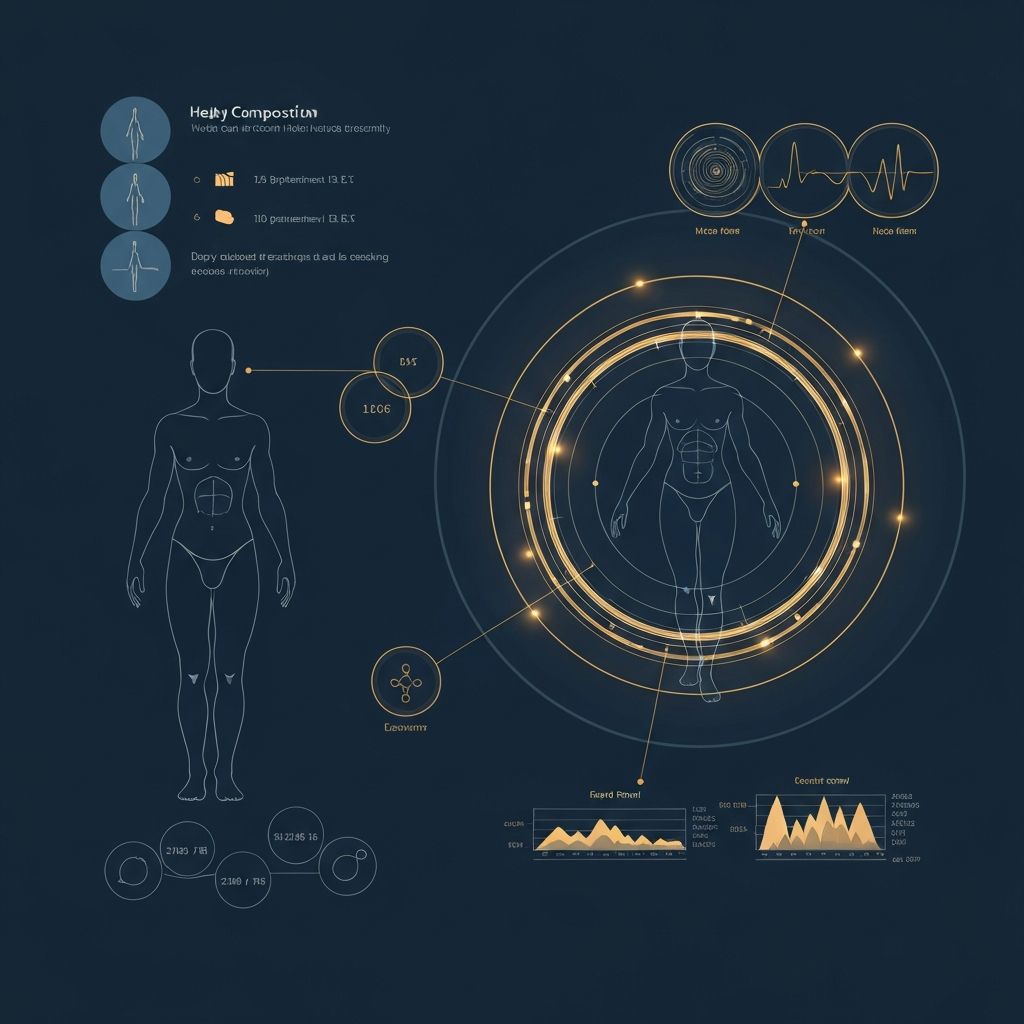
Distinguishing between body weight and body composition, exploring how these metrics relate to overall health indicators.
Body weight represents total mass, including muscle, fat, bone, organs, water, and other tissues. Body composition refers to the proportional breakdown of these components—specifically the ratio of fat mass to lean mass (which includes muscle, bone, and organs).
Two individuals of identical height and weight may have significantly different body compositions and different health profiles. This distinction is important for understanding the relationship between body metrics and health.
Lean mass (primarily muscle and bone) is metabolically active and contributes to strength, functional capacity, and metabolic health. Fat mass serves important functions including energy storage and hormone production, but excess fat accumulation may relate to certain health conditions.
The largest component of lean mass. Muscle maintains functional capacity, supports metabolic function, and protects against age-related decline. Muscle mass can be maintained and developed through resistance activity and adequate protein intake.
Essential fat is necessary for hormonal function, vitamin absorption, and temperature regulation. Storage fat represents energy reserves. The distribution of fat (where it accumulates on the body) may relate to different metabolic and health outcomes.
Bone density and strength are influenced by physical activity, nutritional status (particularly calcium and vitamin D), and hormonal factors. These change across the lifespan and relate to fracture risk and functional capacity.
Internal organs, blood, and connective tissues comprise a significant portion of lean mass. These components are essential for physiological function.
Various methods assess body composition with different levels of accuracy and accessibility:
Different measurement methods have varying accuracy and practical applicability. The choice depends on available resources and specific measurement objectives.
Body composition is one of many factors related to health. Other important considerations include cardiovascular fitness, metabolic health markers, mental well-being, lifestyle patterns, and individual health circumstances. Health is multifactorial and cannot be determined by any single measurement.
Research demonstrates that individuals with similar body compositions may have different health outcomes, and conversely, different body compositions may be compatible with good health depending on other factors. This reflects the complexity of human physiology and the importance of viewing health holistically rather than through single metrics.
Age, genetics, activity patterns, nutrition, sleep, stress, and social connections all contribute to health outcomes alongside body composition.
Disclaimer: This article provides educational information about body composition and health. Individual health assessment should involve qualified healthcare professionals who can consider complete medical history and circumstances.